
Waste does not disappear when we throw it away. It simply moves somewhere else. That simple truth has pushed innovators to rethink how recycling works. Matarecycler is one of those ideas that tries to change the system rather than patch it.
Instead of treating waste as a problem, Matarecycler treats it as a resource. That shift in thinking opens the door to smarter, more efficient recycling methods that fit modern needs.
What Is Matarecycler
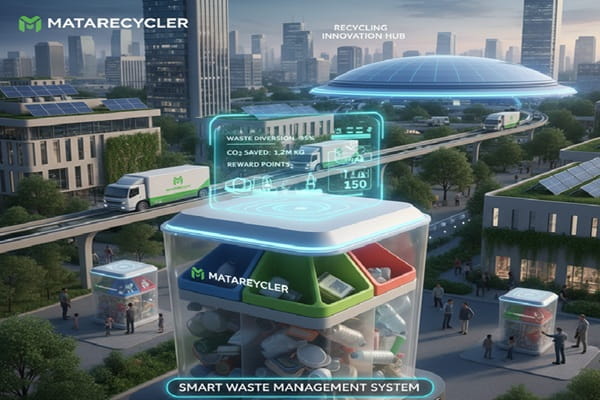
Matarecycler is a concept and system designed to improve how waste is sorted, processed, and reused. It combines technology, automation, and data to make recycling more effective.
Traditional recycling depends heavily on manual sorting and basic machines. Matarecycler introduces smarter systems that can identify, separate, and process materials with higher accuracy.
The goal is simple. Reduce waste, recover more usable material, and create a cleaner cycle from disposal to reuse.
The Problem with Traditional Recycling
To understand Matarecycler, it helps to look at the limits of current recycling systems.
Most recycling processes struggle with mixed waste. When different materials are combined, sorting becomes difficult and expensive.
Contamination is another issue. Food waste or non recyclable items can ruin entire batches of recyclable material.
There is also a lack of efficiency. Many systems rely on outdated methods that cannot handle the growing volume of waste.
These problems lead to low recycling rates and higher environmental impact.
How Matarecycler Changes the Process
Matarecycler introduces a more advanced approach to waste management.
It uses smart sensors and automated sorting systems to identify materials. This allows for faster and more accurate separation.
Artificial intelligence can analyze waste patterns. It learns which materials are most common and adjusts the system accordingly.
The process reduces human error and increases efficiency. More materials are recovered, and less waste ends up in landfills.
This shift turns recycling into a smarter and more scalable solution.
Key Technologies Behind Matarecycler
Matarecycler relies on several technologies working together.
Sensor based sorting is one of the core features. Machines can detect materials like plastic, metal, and glass using light and scanning systems.
Automation plays a major role. Conveyor systems move waste through different stages without constant human intervention.
Data analysis helps improve performance. Systems track how waste is processed and identify areas for improvement.
These technologies create a system that is both efficient and adaptable.
Benefits of Using Matarecycler
The benefits of Matarecycler go beyond basic recycling.
It increases recovery rates. More usable material is extracted from waste.
It reduces environmental impact. Less waste goes to landfills, and fewer raw materials are needed.
It saves time and labor. Automated systems handle tasks that would otherwise require manual work.
It also supports sustainability goals. Businesses and cities can reduce their carbon footprint by adopting smarter recycling methods.
These benefits make Matarecycler an attractive solution for modern waste management.
Real World Applications
Matarecycler can be used in different settings.
Cities can use it to improve municipal waste systems. This helps manage large volumes of waste more effectively.
Industries can apply it to manage production waste. Factories can recycle materials directly within their operations.
Commercial spaces like malls and offices can also benefit. They can sort and recycle waste on site, reducing transportation needs.
Even smaller communities can adopt scaled versions of the system.
This flexibility makes Matarecycler suitable for a wide range of environments.
The Role of Data in Waste Management
Data is a key part of Matarecycler’s success.
By tracking waste patterns, the system can predict trends and adjust operations.
For example, if a certain type of plastic is common, the system can optimize its sorting process for that material.
Data also helps measure performance. It shows how much waste is recycled and where improvements can be made.
This data driven approach makes recycling more precise and effective.
Environmental Impact
The environmental impact of Matarecycler is significant.
Reducing landfill waste lowers pollution. It also decreases the release of harmful gases.
Recycling materials reduces the need for new resources. This helps conserve natural reserves.
Energy use is also affected. Producing goods from recycled materials often requires less energy than using raw materials.
These changes contribute to a more sustainable system overall.
Challenges and Limitations
No system is perfect, and Matarecycler also faces challenges.
Initial costs can be high. Setting up advanced systems requires investment.
Technical complexity is another factor. Operating and maintaining these systems requires skilled personnel.
There is also the challenge of public participation. Even the best system depends on proper waste disposal habits.
Addressing these challenges is important for long term success.
Comparison with Traditional Systems
Comparing Matarecycler with traditional recycling highlights clear differences.
Traditional systems rely more on manual processes. Matarecycler uses automation and data.
Accuracy is higher in Matarecycler systems. This leads to better quality recycled materials.
Speed is also improved. Automated systems process waste faster than manual methods.
However, traditional systems are simpler and cheaper to set up.
The choice depends on needs, budget, and long term goals.
Why Businesses Are Interested
Businesses are under pressure to become more sustainable.
Matarecycler offers a practical way to meet these goals.
It helps reduce waste management costs over time. It also improves brand image by showing commitment to sustainability.
Companies can also recover valuable materials, creating new revenue streams.
This combination of economic and environmental benefits drives interest.
Public Awareness and Adoption
Adoption of Matarecycler depends on awareness.
People need to understand how the system works and why it matters.
Education campaigns can help improve participation. When people sort waste correctly, the system becomes more effective.
Governments and organizations play a key role in promoting these solutions.
The more people understand recycling, the better the results.
Also Read : TabooTube Explained Platform Features Content Freedom and Safety Guide
The Future of Smart Recycling
The future of recycling is moving toward smarter systems.
Technologies will continue to improve. Machines will become more accurate and efficient.
Integration with smart cities will also grow. Waste management will become part of larger connected systems.
Matarecycler represents an early step in this direction. It shows what is possible when technology meets environmental needs.
As these systems evolve, recycling will become more effective and widely adopted.
Lessons from Matarecycler
Matarecycler teaches several important lessons.
Waste can be a resource if managed properly.
Technology can solve complex environmental problems.
Efficiency matters. Small improvements in systems can lead to large overall impact.
Collaboration is key. Governments, businesses, and individuals all play a role.
These lessons highlight the importance of innovation in sustainability.
Final Thoughts
Matarecycler is not just a system. It is a new way of thinking about waste.
It challenges traditional methods and offers a smarter alternative.
By combining technology, data, and automation, it creates a more efficient recycling process.
The journey toward better waste management is ongoing. Systems like Matarecycler show that progress is possible when innovation meets real world problems.
Understanding this approach helps us see waste not as an end, but as the beginning of a new cycle.